
Light
Ex. 34:29–35
Homeschool · Build the map
Use the physical cards to help students see how people, objects, events, and stories belong together.
Watch in 24 seconds
Watch David and Daniel connect through the Lion card, then build a story map with Scripture references.
24 seconds · Silent video with English on-screen text · Suggested homeschool activity
Interactive Scripture network
Select a Character to trace eight stories through the real cards. The dashed lines show direct relationships between the three people.
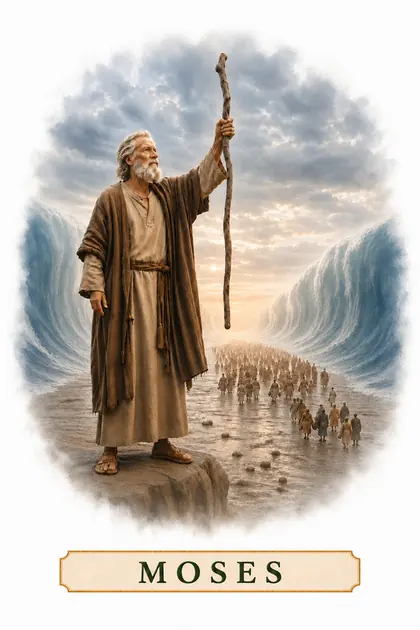
Eight Scripture-supported Connection paths
Ex. 34:29–35
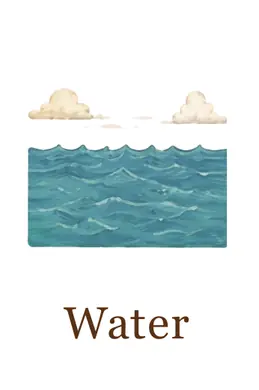
Ex. 14:21–22
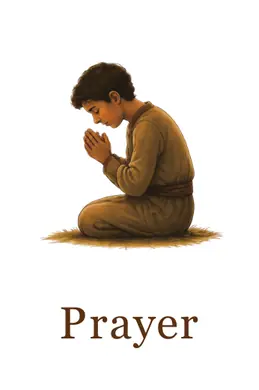
Ex. 32:11–14
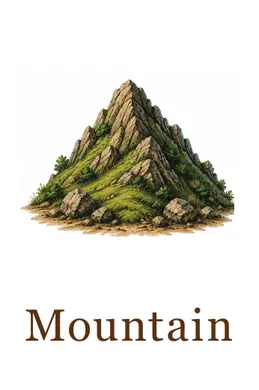
Ex. 19:20

Ex. 3:2

Ex. 32:26–28
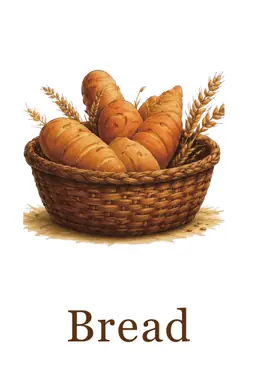
Ex. 16:14–15
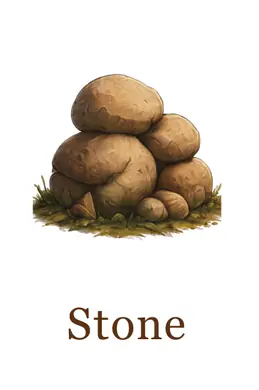
Ex. 17:5–6
Study activity: ask the learner to choose one line, read the passage, and explain the relationship in one sentence. These examples support the homeschool activity and do not add a fourth printed game mode.
Four levels of discovery
Place one Character in the center and arrange related Connections around it.
Ask the student to say what happened and why each line belongs.
Use a shared Connection to open another person and another story.
Record a story title, Scripture reference, or one-sentence explanation on the map.
A 40-minute learning rhythm
Choose a Character and predict possible Connections.
Arrange the physical cards into a relationship map.
Tell the stories represented by the lines.
Find Scripture evidence for selected relationships.
Record one new connection or question.
Grow with the learner
Choose pictures, name people, and retell a remembered part of the story.
Write one-sentence links, find references, and compare two Characters.
Build a wider network and distinguish direct story evidence from broader themes.
The learning habit
The goal is not only to remember more facts, but to practice organizing knowledge into relationships.