Keep Character and Connection cards in their own groups.
The published game rules
Three ways to play. One invitation to discover.
Start with a quick match, explore the table through capture, or challenge one another to build the longest chain.
Adjust the number of cards when ages or Bible familiarity differ.
Quick Match works for a short start; Chain invites a longer challenge.
01 · START
Quick Match
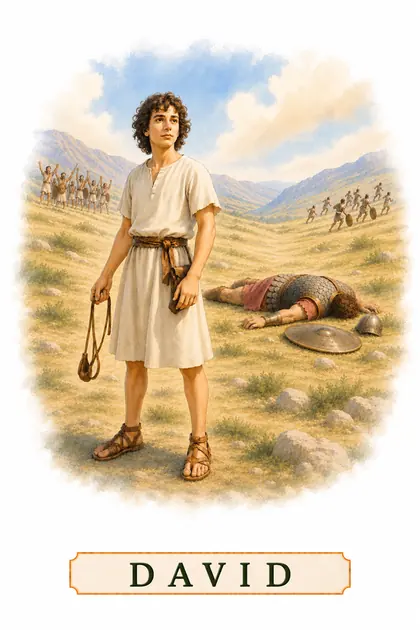
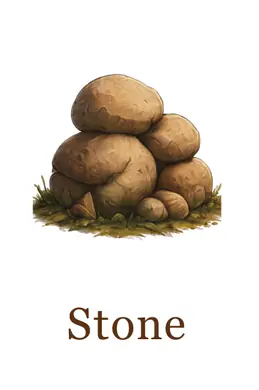
- Flip a Character.
- Find a matching Connection.
- Explain why the cards connect.
The first player to make 3 connections wins.


02 · EXPLORE
Connection Capture
- Take turns playing one card.
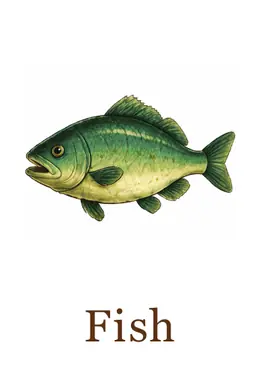
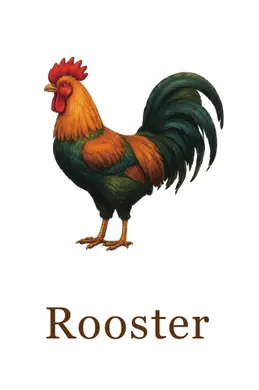
- Spot a Character–Connection match.
- Capture both cards and every card between them.
The player who captures the most cards wins.

03 · CHALLENGE
Connection Chain
- Start with a Character.
- Add a related Connection.
- Keep alternating and growing the chain.
The longest Bible connection chain wins.
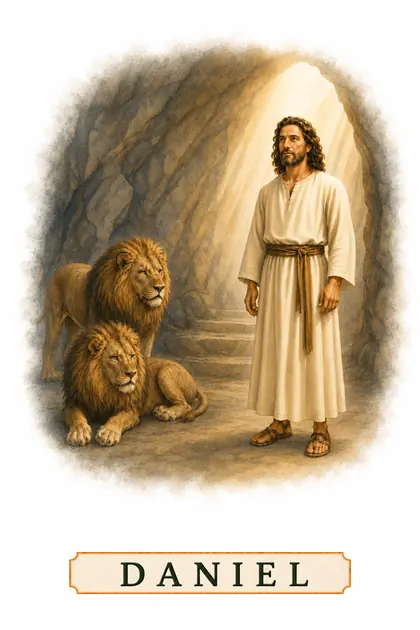

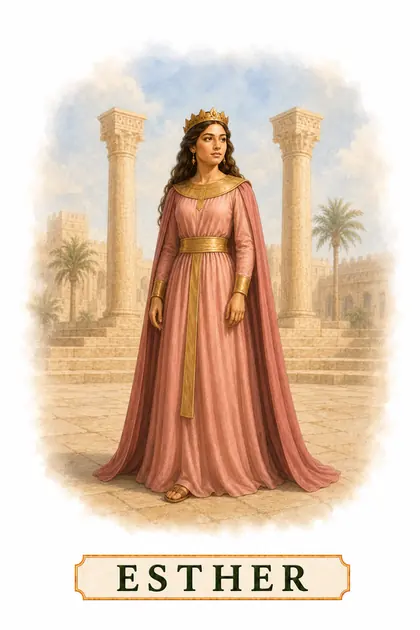
Make room for every player
Bible knowledge should help the story—not decide who gets to have fun.
Give a younger or less experienced player a few more cards to choose from.
Let the child choose the connection while an adult helps complete the story.
Pair different ages so observation, memory, and explanation all matter.
Build a shared target together when competition is not the right fit.
Common questions
Keep the conversation moving.
Does a connection have to appear in the printed guide?
No. The guide contains suggested connections. A player may offer another connection when they can explain it through a Bible story.
Must a child name the exact Scripture reference?
Not in ordinary family play. The story explanation is enough. Homeschool and classroom leaders may choose to look up a reference when going deeper.
What if the explanation is incomplete?
Ask what the player remembers and invite someone else to add a detail. The goal is shared discovery, not a memory test.
Can two Character cards connect directly?
The printed game is built around Character–Connection relationships. Use a shared Connection between Characters when building a chain or knowledge map.